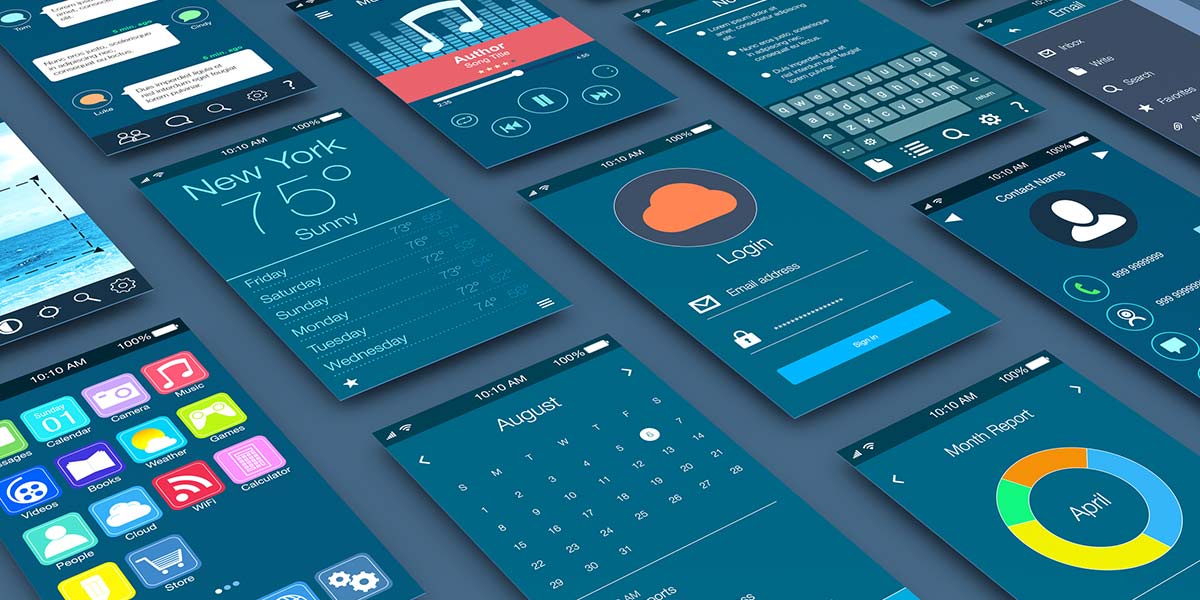
On the globe of contemporary program, user encounter not lives only on screens. Ever more, it resides from the invisible connections between methods—These streams of data and commands that make digital ecosystems perform. These connections are made feasible by APIs (Application Programming Interfaces), which have evolved from technical tools for builders into your new frontiers of person conversation. Currently, APIs are definitely the unseen interfaces shaping how buyers working experience technology, even when they never contact a button. I am Gustavo Woltmann, developer with twenty 12 months practical experience, let's Examine how meaninghul APIs are these days.
From Screens to Methods
For decades, person interfaces ended up outlined by what customers could see and touch—buttons, icons, menus, and screens. The artwork of consumer expertise revolved about making these Visible layers intuitive and beautiful. But as electronic ecosystems expanded, a silent revolution started beneath the surface area. The most crucial interactions were now not taking place in between individuals and screens, but involving programs and methods.
Enter the API—Software Programming Interface—the invisible backbone of modern software package. As an alternative to guiding human clicks, APIs define how units converse. They allow applications to share knowledge, set off steps, and coordinate intricate tasks quickly. In this particular new reality, the boundaries involving platforms blur: your trip-sharing application connects to the map services, your temperature widget pulls knowledge from a meteorological server, and also your Health tracker syncs seamlessly together with your cellular phone.
This driving-the-scenes connectivity has quietly redefined what “user knowledge” indicates. Though people interact through a graphical interface, the genuine expertise often will depend on how nicely APIs Trade details during the track record. A flawless transaction, prompt update, or actual-time notification transpires simply because APIs are Performing perfectly collectively.
Subsequently, modern day software package development is shifting its priorities. The visual layer—the display screen—remains crucial, but it surely’s not The full Tale. The standard of the encounter now is dependent Similarly over the invisible architecture that powers it. Companies that after centered only on UI structure are now investing heavily in API design and style, recognizing that dependability, pace, and integration push shopper gratification around aesthetic attraction.
From screens to techniques, know-how has become fewer about what we see and more details on how everything connects. The future of user experience is not just visual—it’s structural, seamless, and powered by the quiet intelligence of APIs working behind each tap, click, and swipe.
APIs as Invisible UX
In today’s related electronic earth, quite possibly the most seamless person activities typically come about with no people noticing it. Guiding every single quick login, a single-click payment, or real-time update lies a community of APIs—the unseen interfaces that form how technological innovation feels. Although conventional design concentrates on what end users can see, API design and style determines how effortlessly anything performs.
APIs have grown to be the invisible layer of user practical experience, orchestrating interactions across platforms and devices. Once your social websites app right away pulls your images in the cloud or your banking application syncs flawlessly together with your budgeting software, you’re benefiting from considerate API style. The responsiveness, trustworthiness, and consistency of Those people connections outline the overall knowledge around Visible design and style or navigation at any time could.
Badly built APIs, Then again, can break that illusion of effortlessness. A sluggish integration, mismatched data, or technique failure creates friction just like a buggy interface would. That’s why a lot of leading corporations now treat APIs as Main UX factors, not only backend applications. Their design and style will have to prioritize clarity, predictability, and balance—traits that ensure developers can Establish trustworthy capabilities, and customers can delight in flawless performance.
For modern builders, crafting a great API is surely an act of person-centered design—only the “end users” will often be other developers. Extensive documentation, reliable endpoints, and intuitive logic make APIs easier to adopt and integrate, fostering greater close-user encounters.
In this way, APIs have redefined what it means to style and design for usability. They turn interactions into fluid, connected encounters that transcend screens. As techniques continue on to speak extra straight with each other, APIs are emerging as the new frontier of UX—one particular wherever the most stunning interface could be the just one buyers never see.
The Rise from the API-Initial Planet
Before, software package was designed While using the person interface initially—a monitor, a menu, a visible format—even though the fundamental programs came later. These days, that order has flipped. We now live in an API-first world, where purposes are built from The within out, starting with the information and logic that drive every conversation.
An API-to start with tactic suggests developers begin by defining how methods communicate right before they even Make the consumer-dealing with layers. This mentality makes sure that each and every services—whether or not it’s authentication, payment processing, or analytics—can be reused, scaled, and built-in across multiple platforms. In lieu of planning for just one interface, companies style and design for an ecosystem of connections.
The result is agility and interoperability. Modern enterprises function across equipment, cloud companies, and third-bash integrations, and APIs make that complexity workable. They allow startups to plug into world wide infrastructures like Stripe, Google Maps, or OpenAI inside several hours as an alternative to months. This accelerates innovation and ranges the participating in discipline, enabling small groups to construct sophisticated items that rival enterprise software package.
For companies, the change to API-initial style and design isn’t just specialized—it’s strategic. It encourages modular architecture, continual shipping and delivery, and a lot easier collaboration among groups. APIs turn out to be the deal of communication amongst interior techniques and exterior partners, delivering steadiness in an at any time-changing digital landscape.
In a very globe pushed by automation and connectivity, APIs are now not an afterthought—they’re the foundation. They electricity every thing from logistics networks to clever homes, transforming how software package is constructed, preserved, and professional. The rise in the API-initially world represents a elementary transform in how technologies evolves: significantly less about screens and clicks, and more details on how each individual method talks, shares, and grows collectively.
Collaboration, Automation, and The brand new UX
As APIs acquire Centre stage in contemporary application, they’re not simply enabling technological know-how—they’re reshaping how people and methods collaborate. In an API-driven ecosystem, collaboration extends past teams and equipment on the incredibly architecture of electronic products and solutions. APIs act given that the bridges between solutions, automating workflows and making encounters that truly feel easily connected.
Take into consideration how right now’s productivity resources function: your calendar syncs along with your video clip conferencing app, your messages trigger venture updates, and your files are automatically backed up throughout platforms. None of the takes place manually—it’s driven by APIs Operating quietly in the background. This invisible collaboration presents increase to a whole new sort of consumer encounter, one which values automation and integration around regular interface layout.
For developers and product groups, APIs also redefine collaboration internally. As an alternative to siloed techniques, teams do the job from the shared foundation of reusable factors. Designers, engineers, and analysts can Make and refine items simultaneously, applying APIs as being the connective tissue that keeps everything aligned and reliable. This modular strategy speeds up iteration, cuts down redundancy, and would make items more adaptable to vary.
From your person’s point of view, the very best electronic experiences are the ones that anticipate desires and remove friction. APIs make that probable by enabling actual-time data circulation and automation—whether or not it’s clever recommendations, fast payments, or contextual notifications.
Inside the period of collaborative automation, the user knowledge is no longer confined to your screen or an individual software. It lives while in the seamless coordination between programs. APIs are the unseen collaborators, empowering people and equipment to work in sync. The new UX will not be just about planning interfaces—it’s about building interactions among ecosystems, wherever automation and collaboration define what “user-helpful” certainly indicates.
Planning the way forward for Invisible Interfaces
As APIs continue to weave collectively the electronic environment, They're paving the best way for just a long term in which interfaces may well vanish completely. The next generation of consumer practical experience received’t rely upon screens or buttons—it'll rely on seamless, context-mindful interactions designed probable by clever, interconnected systems powered by APIs.
Invisible interfaces are presently listed here in delicate varieties: a voice command that orders groceries, a smartwatch that adjusts your thermostat, or an application that implies the ideal route prior to deciding to read more even talk to. These ordeals are built not on traditional style components but on info movement, automation, and integration—all orchestrated by means of APIs.
Planning for this foreseeable future needs a shift in contemplating. As an alternative to concentrating on what end users see, designers and developers should think about how methods comprehend and respond. The emphasis moves from Visible structure to behavioral logic—crafting interactions that happen to be anticipatory, normal, and dependable. Productive API design and style will copyright on clarity, security, and adaptability, ensuring that invisible interactions keep on being trusted and respectful of consumer intent.
This shift also redefines creative imagination in technological know-how. The designers of tomorrow will form ecosystems, not only experiences. They’ll have to have to consider how distinct solutions, sensors, and data resources collaborate to type a unified, human-centered system.
During this entire world, APIs grow to be the architects of invisibility. They enable frictionless, predictive ordeals the place the interface fades away as well as interaction itself will become the solution. As we move towards ambient computing, intelligent environments, and AI-pushed personalization, the future of person expertise received’t be what we touch—it will be what seamlessly transpires for us, powered because of the silent design and style of APIs.
Summary: The Peaceful Ability Driving the Screen
APIs have redefined what it means to connect with technological innovation. They could not have buttons or colours, Nonetheless they shape how electronic experiences come to feel—sleek, linked, and speedy. In an ever more interconnected globe, the API is no more simply a developer’s Device. It’s The brand new user interface, quietly reworking how we Are living, perform, and join within the electronic age.